Skip to content
1 / 6

02 / 02FOID

FOID — Premium Interior Design & Space Experience Studio

Brand Identity and Wayfinding Design for FOID — How a Premium Interior Design Studio Turned Its Space Into a Sales System

How Zerologic built a brand system that made FOID's studio its most effective sales asset.

The challenge

FOID had the craft, the clientele, and the vision to compete at the premium end of India's interior design market. What it lacked was a brand system that communicated that standard before a client walked through the door or scrolled past a post. The visual identity was inconsistent across touchpoints. The studio experience was unstructured, social media content existed without strategic direction, and the gap between the digital impression and the physical experience was costing the business conversion confidence at the critical moment.

Client

FOID

Category

FOID — Premium Interior Design & Space Experience Studio

Phase

Build

Capabilities

6 deployed

The insight

In premium interior design, the brand identity and the studio experience are not separate assets. They are the same trust argument made in two registers, and when one is stronger than the other, the client's confidence does not form.

01 · Define

The Studio as a Strategic Asset — What Visitor Behavior Revealed About How Interior Design Clients Decide
FOID's brief arrived framed as a design problem. The underlying challenge was a trust architecture problem that design alone could not solve without resolving it first. Premium interior design clients in India do not buy services. They buy confidence in a relationship that will span months and involve their home. The research question Zerologic brought to this engagement was precise: at what point in the client journey does the decision to commit actually form, and what signals drive it? Observation of client movement through FOID's Jubilee Hills experience center revealed a consistent behavioral pattern. Visitors who spent extended time in the material and finish zones converted at a significantly higher rate than those who moved quickly through the portfolio displays. The studio, not the portfolio, was the primary trust-building environment. But the studio was not organized to take advantage of that. Movement through the space was unstructured. Visitors spent time in the wrong zones. Decision confidence was not being built in the sequence that produced conversion. The wayfinding system did not exist in any formal sense. Visitors self-navigated. Material samples were grouped by product category rather than by decision relevance. Clients left informed but not guided. The brand identity compounded this: without a visual system that held consistently across the studio, the collateral, the digital presence, and the social channels, the business communicated competence in fragments rather than authority as a system. The core insight that reorganized every downstream decision: in premium interior design, the brand is not what the client sees in an advertisement. It is what the client experiences in the studio, calibrated by what they have already seen online. If those two registers do not match, the client's confidence does not form.

Zerologic l FOID Space design_1
System
Zerologic l FOID Space design_10
System
Zerologic l FOID Space design_2
System
Zerologic l FOID Space design_3
System
Zerologic l FOID Space design_4
System

02 · Build

From Fragment to Framework — The Brand Identity, Wayfinding Architecture, and Studio Experience Built to Convert
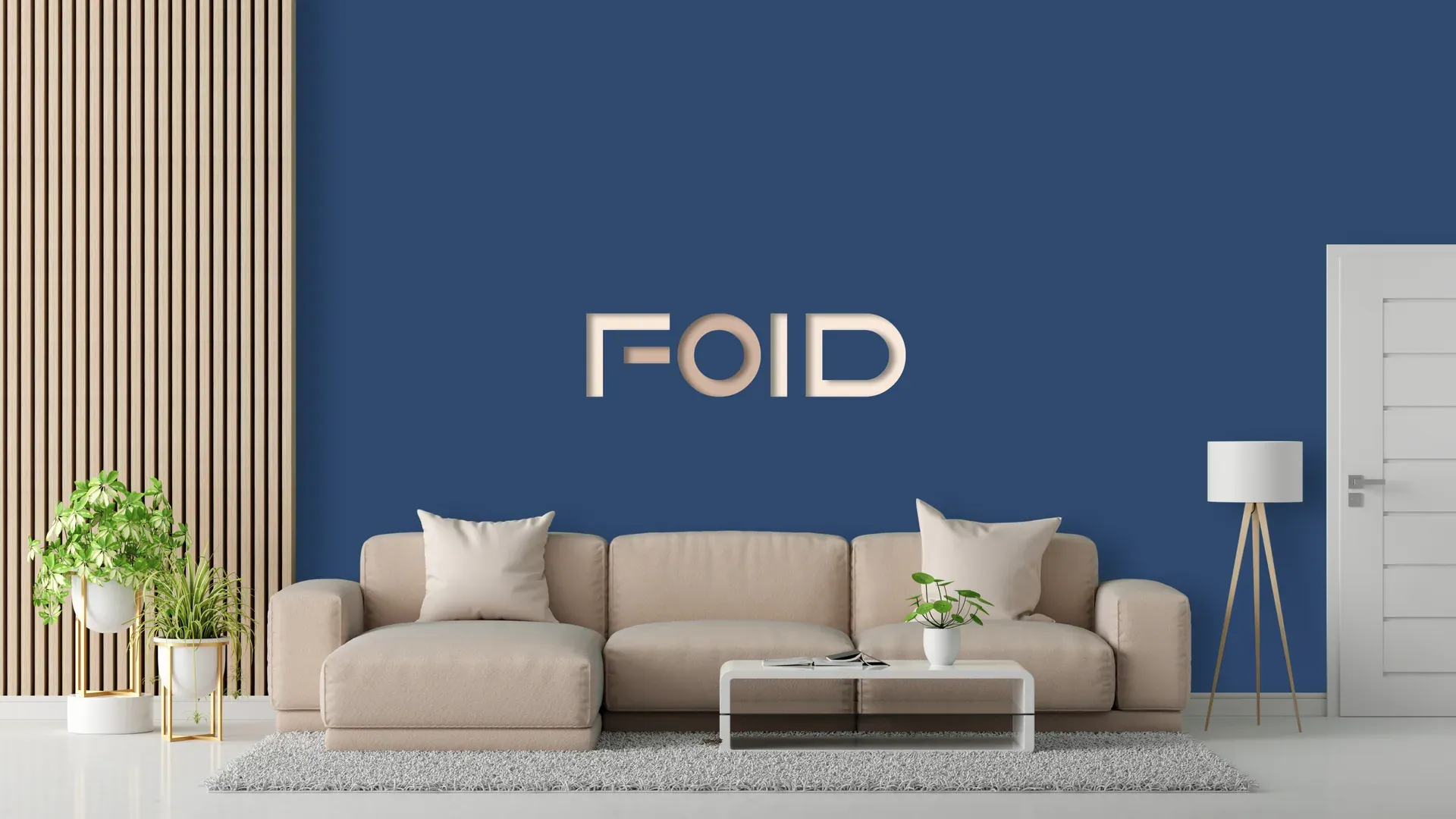
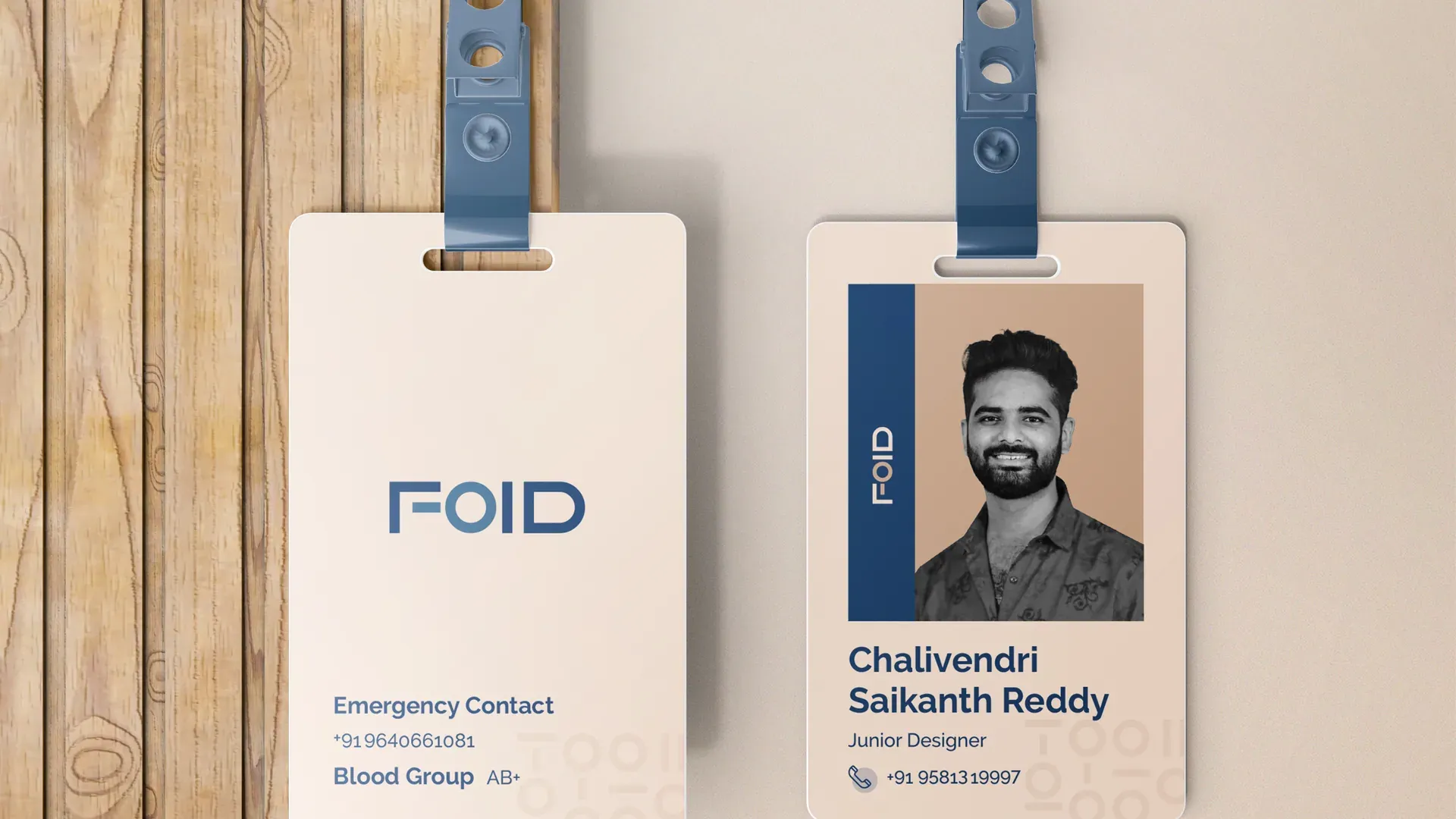
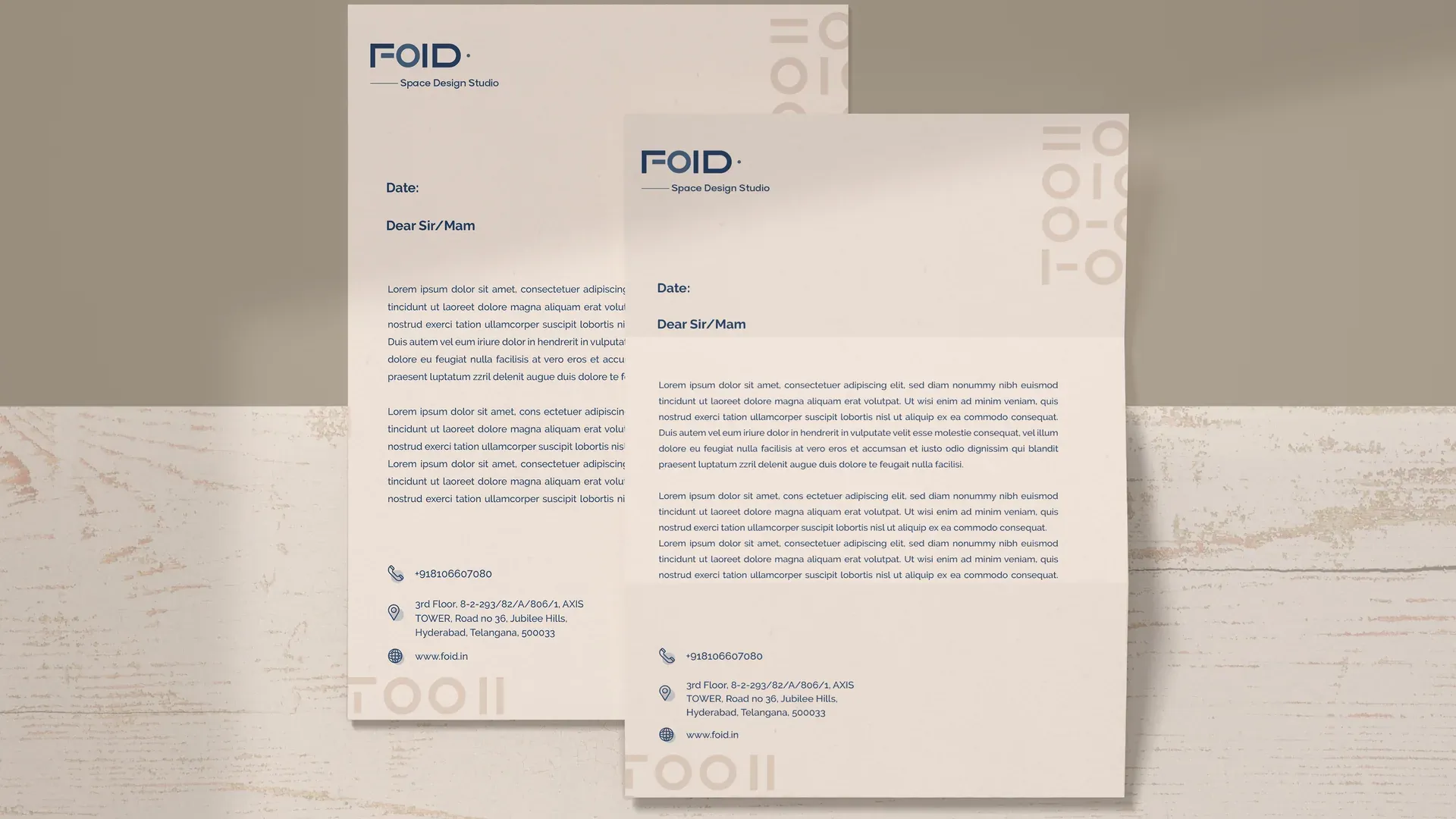
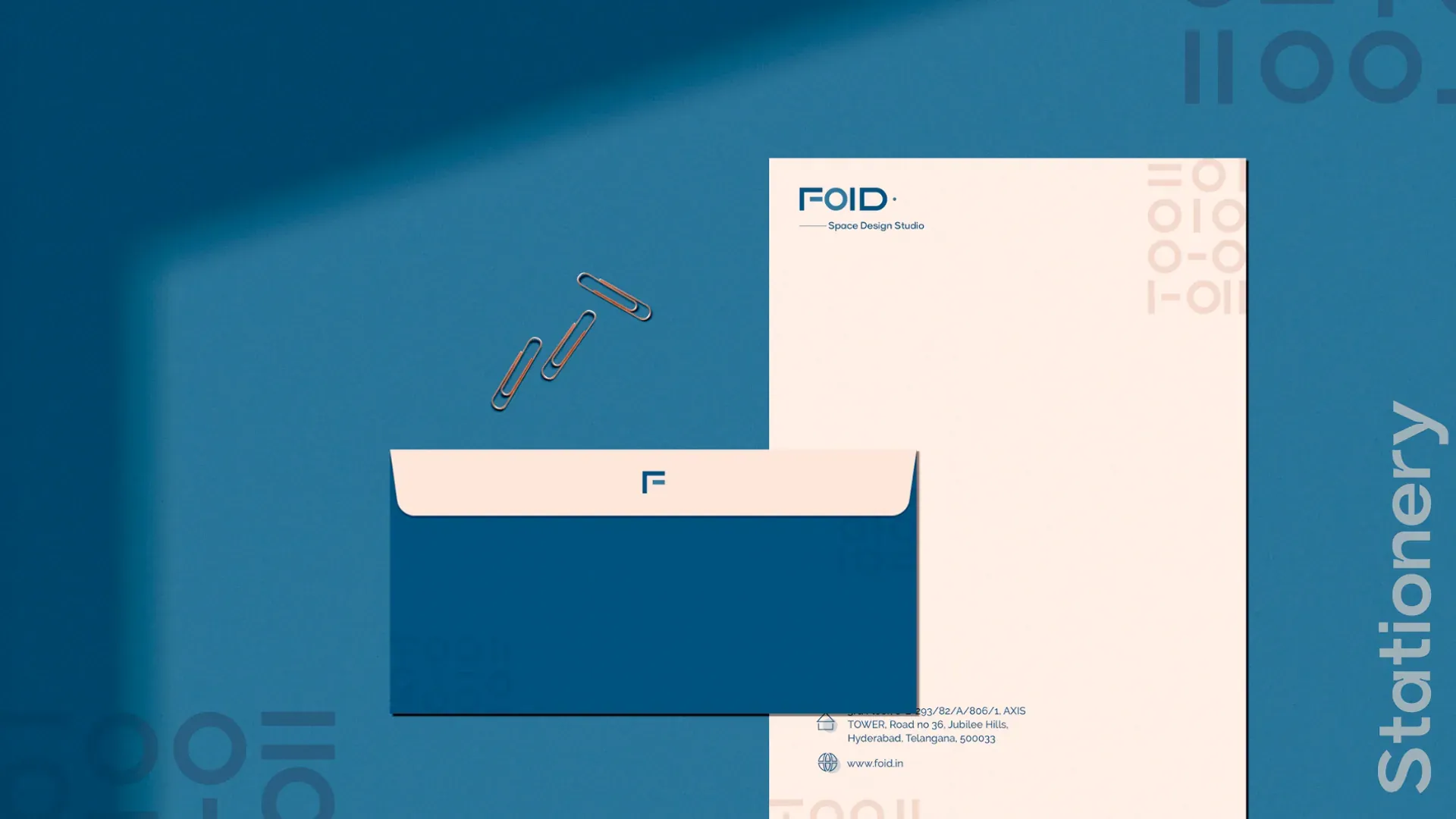
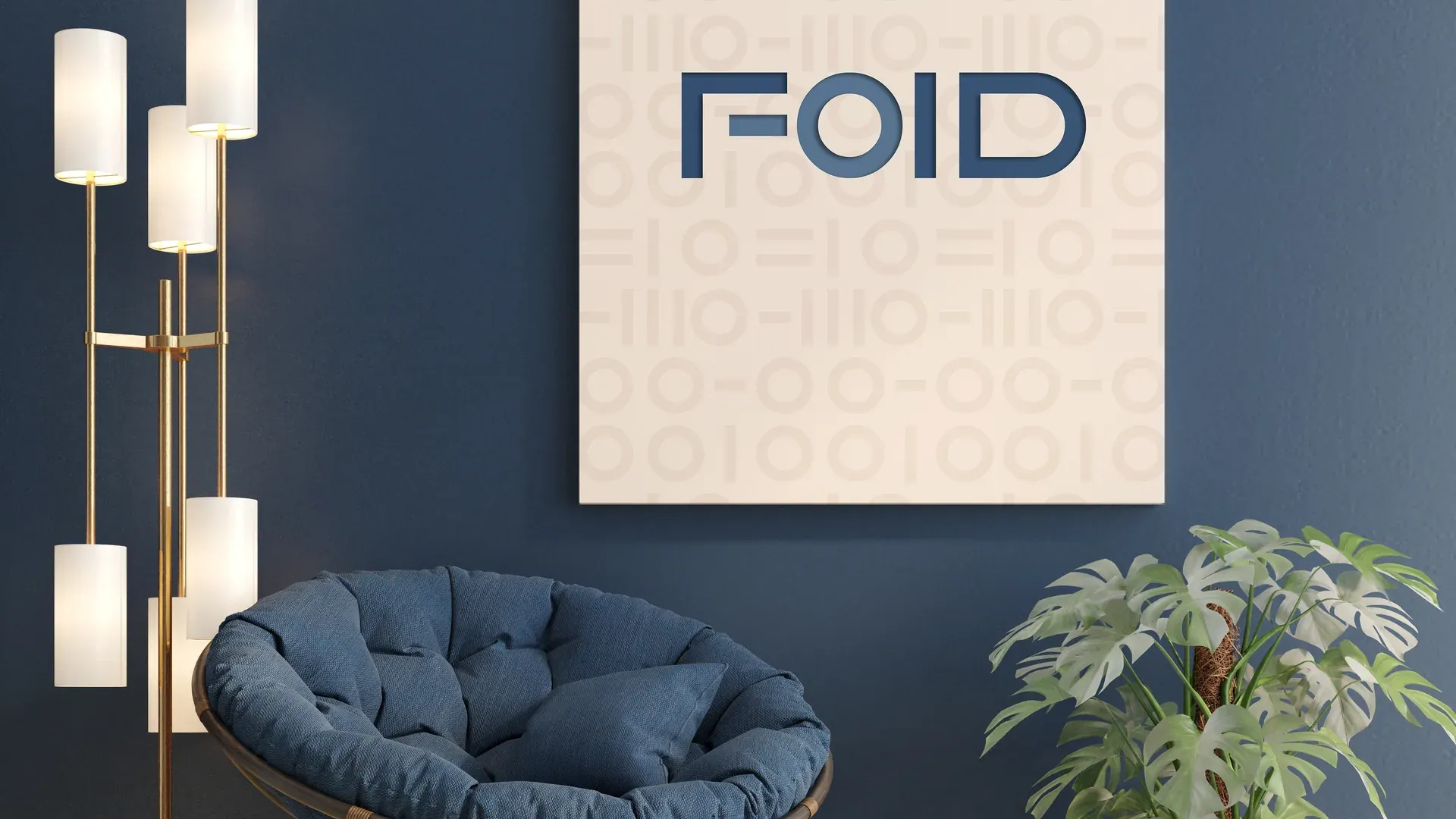
The BUILD phase produced four interconnected systems, each designed around one governing principle: every FOID touchpoint, physical and digital, must produce the same quality of confidence in a prospective client. FOID's positioning was organized around "the finesse of interior design" — the phrase already embedded in the business name, now made structural. Finesse, as a brand position, communicates precision in execution, restraint in expression, and confidence in material judgment. These are the specific signals premium interior design clients use when deciding whether a studio can be trusted with their home. The visual identity was built from that positioning outward: a logo system with structural weight and negative space discipline, a color palette drawn from FOID's material vocabulary across the Inkara, Sparsa, and Contura collections, and typography selected for consistency at both environmental and small-format digital scale. The experience center was reorganized around the client's decision journey rather than the product taxonomy. Zones were sequenced to build confidence progressively: brand orientation first, material and tactile engagement second, completed environment visualization third. Wayfinding signage was designed within the brand system so that directional infrastructure did not interrupt the studio experience. Following implementation, dwell time in high-conversion zones increased and clients arrived at first consultations with higher baseline confidence. The collateral system covered project folders, material sample cards, proposal formats, and leave-behind documents. Each piece was designed as a continuation of the studio experience. Paper weight, print finish, and typographic hierarchy were specified to communicate the same standard the studio communicated in three dimensions. The content architecture was organized around three pillars: craft and process (operational evidence of how FOID designs and builds), completed environments (photography structured for spatial and experiential quality), and design philosophy (short-form content that makes FOID's point of view legible before a studio visit). Each pillar served the wayfinding logic in digital form — ensuring that a prospective client who followed FOID's social content arrived at the studio with a prior impression the space could then confirm.

Zerologic l FOID Space design_10
Identity
Zerologic l FOID Space design_11
Identity
Zerologic l FOID Space design_12
Identity
Zerologic l FOID Space design_13
Identity
Zerologic l FOID Space design_14
Identity

03 · Drive

Drive Phase

Drive phase outputs.

Zerologic l FOID Space design_18
Campaign
Zerologic l FOID Space design_19
Campaign

04 · Scale

Scale Phase

Scale phase outputs.

Zerologic l FOID Space design20
Identity
Zerologic l FOID Space design21
Identity
Zerologic l FOID Space design22
Identity
Zerologic l FOID Space design23
Identity
Zerologic l FOID Space design24
Identity

Outcomes

Brand identity system delivered across studio, digital, and print in a single coherent visual and tonal register.

Wayfinding architecture restructured the experience center around the client decision journey; dwell time in high-conversion zones increased following implementation.

Studio-to-consultation conversion improved as clients arrived with higher baseline confidence after progressing through the structured experience sequence.

Collateral system standardized the post-visit client experience, maintaining the studio impression through the proposal and decision stages.

Social media content system established three distinct pillars enabling consistent publishing across craft, environment, and philosophy registers without tonal inconsistency.

Brand positioning anchored in "the finesse of interior design" gave the sales and design team a shared vocabulary, reducing the time required to communicate FOID's differentiation in client conversations.

Frequently asked
What does brand identity design include for an interior design studio?
Brand identity design for an interior design studio includes a logo system, color palette, typography system, iconography, and brand guidelines that govern how the brand is applied across every surface — digital, print, and environmental. For a studio with a physical experience center, the identity system must be specified to function at both large-format signage scale and small-format digital application without modification. The identity is not built for aesthetics alone. It is built to communicate a positioning clearly enough that a prospective client recognizes the brand's standard before they engage with anyone from the team.
How does a wayfinding system improve conversion in an interior design studio?
A wayfinding system improves conversion in an interior design studio by organizing the client's movement through the physical space around the decision journey rather than around the product taxonomy. Premium interior design clients build purchase confidence through a specific sequence: understanding the studio's philosophy and process, engaging with materials and finishes at a tactile level, and visualizing completed outcomes. When a studio's layout does not produce that sequence deliberately, clients leave informed but not guided. A wayfinding system codifies the highest-converting client path and makes it repeatable for every visitor regardless of which team member is hosting.
Why does an interior design studio need a consistent brand across digital and physical channels?
Premium interior design clients research extensively before visiting a studio. By the time a client walks through the door, they have already formed a prior impression from social media, the website, and any collateral they have encountered. If the digital experience communicates one standard and the physical studio communicates another, the mismatch registers as inconsistency — and a premium client interprets inconsistency as unreliability. A brand system that holds consistently across digital and physical touchpoints allows the trust the client has already begun to form online to be confirmed and deepened by the studio visit, rather than reset.
What social media content strategy works best for a premium interior design brand?
A social media content strategy for a premium interior design brand performs best when organized around three distinct content types: craft and process content that provides operational evidence of how the studio designs and builds; completed environment photography structured for spatial and experiential quality rather than editorial aesthetics; and design philosophy content that makes the studio's point of view legible to a prospective client before they visit. Each content type serves the client's evaluation process at a different stage of their research journey. The strategy is built to accumulate trust over the extended period during which a premium client is deciding which studio to engage.
How long does it take to build a brand identity system for a premium interior design studio?
A brand identity system built to function consistently across a physical studio environment, marketing collaterals, and digital channels requires a minimum of six to eight weeks of structured work following the completion of the positioning research phase. The positioning research itself requires two to three weeks. Compressing either phase typically produces an identity that holds in isolation but breaks under application — across formats, scales, or production partners.

Your next phase

Build something that compounds.

Open a conversation about where your business is going.

Open a conversation